Injectables
Smooth, Lift & Rejuvenate Your Look
Natural Results. Refined Beauty.
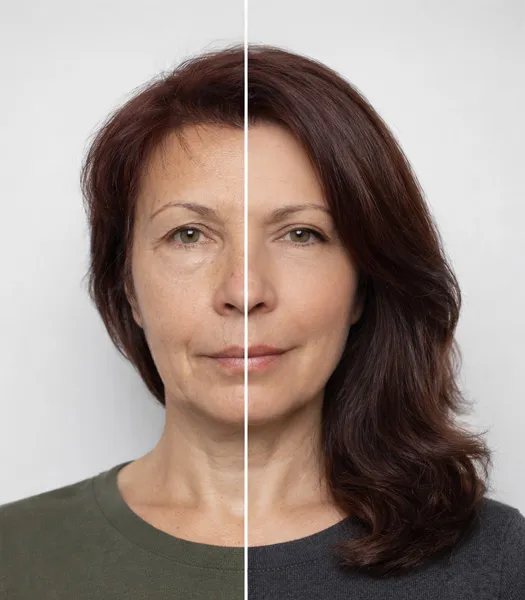
Aging, fine lines, and volume loss are natural, but they don’t have to define you. Our injectable treatments are designed to refresh your appearance without surgery or downtime.
Botox®
Erase Facial Wrinkles and Fine Lines with Botox
Wrinkles, fine lines, and forehead creases are dynamic wrinkles that appear on the face over time as we continue to use our facial muscles. Although some anti-aging creams and products promise to erase these wrinkles, it usually takes a while to find one that works for your skin. If you’re looking for a proven safe and effective wrinkle reduction treatment, then it’s time to consider Botox injections for your face.
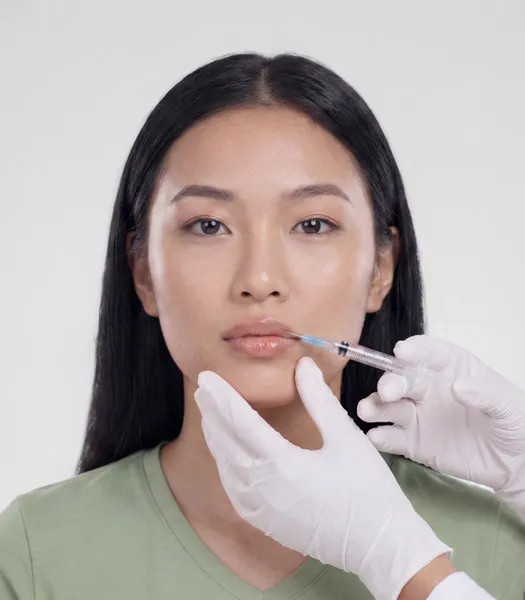
Botulinum toxin injection (or simply Botox) smooths wrinkles and fine lines by relaxing the overused muscle underneath them, preventing muscle contraction in the treatment area for a few months. Our team at Ethos Spa makes sure that you’re getting the best results for this cosmetic procedure using expert needling techniques honed through years of experience in the industry.

How Botox Injections Work
Botox (or botulinum toxin type A injection) is a popular injectable that’s used for different medical and cosmetic purposes. It’s derived from the Clostridium botulinum, a type of bacteria that produces toxins to prevent muscle contraction at the injection site.
When Botox is injected into the treatment area, it blocks the nerve signals from the brain. This prevents the muscle from contracting or the glands from producing sweat or saliva. Since the injected muscle won’t contract, the frown line on the face starts to smooth and slowly disappear.
Botox has gained popularity for erasing wrinkles on the face, but it was first introduced as an effective treatment for strabismus or crossed eyes. Now, Botox is also used for treating and managing other medical conditions, such as chronic migraine headaches, overactive salivary glands, overactive bladder disorders, muscle spasticity, chronic pain, cervical dystonia, cerebral palsy, excessive sweating (hyperhidrosis), neck pain, and more.
Are You a Good Candidate for Botox Injections?
Although Botox injections are safer and more convenient than a facelift and reconstructive surgery for the face, they may not be the best nonsurgical procedure for everyone. Botox works best for a patient who:
- Has good overall health with no medical condition that might affect the treatment or recovery Understands how Botox works and how it’s different from other injectable treatments like dermal fillers.
- Isn’t taking blood-thinning drugs or other oral medications that might increase their risk of bleeding, bruising, and other side effects.
- Has manageable expectations about the treatment, since Botox results are more subtle compared to facial plastic surgery.
- Tried other treatments or products, but none of them worked in erasing the wrinkles or managing their condition.
Dermal Filler Injections
Signs of aging are inevitable for everyone, and these signs can take form in a number of facial features. From wrinkles to fine lines, to sagging skin, to the thinning of areas like your lips and cheeks – this can affect how you appear and how you see yourself. But with dermal fillers, we can address various signs of aging and improve the overall appearance of your face without making any incision.
When it comes to non-surgical anti-aging solutions, dermal fillers may be your best aesthetic solution.
Schedule your appointment at Ethos Aesthetics + Wellness today to discuss your beauty goals with our aesthetic doctors. We can recommend a personalized aesthetic treatment plan that can help you look and feel your best.
How Botox Injections Work
Dermal fillers are a safe and effective way to add volume to different areas around your face. The added volume can have a number of aesthetic benefits, depending on what you want to achieve. For older patients who have lost facial fat as a part of aging, adding volume can restore your natural fullness and give you a younger appearance while smoothing out wrinkles and fine lines.
There are several types of facial fillers. In the hands of an experienced and qualified provider, all these fillers can produce instant results that improve your appearance. The filler type you use can vary depending on what you choose, what your doctor recommends, and how long you want your fillers to last. Fillers are often made out of the following substances:
Types of Facial Fillers
- Hyaluronic acid –a natural substance found in your body that can help will collagen production while keeping your skin hydrated. Because hyaluronic acid is a common substance in your body, the risk of allergic reactions is much lower compared to other substances. Some HA filler brands include Juvederm, Restylane, and Evolysses.
- Calcium hydroxyapatite – a natural substance commonly found in bones. This is a filler with calcium particles inside a thick and smooth gel. Radiesse is currently the only FDA-approved CaHa dermal filler.
- Poly-L-lactic acid – a synthetic filler substance commonly used in dissolvable stitches. Aside from serving as a filler, it can stimulate collagen production to keep your skin healthy. Sculptra Aesthetic is an example of poly-l–lactic acid.
- Polymethylmethacrylate – a biocompatible synthetic substance that has microspheres to support the skin.
Sculptra
Sculptra is one of the newest and longest-lasting dermal fillers on the market. It is made from poly-L-lactic acid, a synthetic yet biocompatible material with a long history of safe medical use, including surgical sutures.
In 2009, the FDA approved Sculptra for cosmetic use. It was previously approved in 2004 to restore facial volume in HIV-positive patients with facial fat loss. It has also been used cosmetically in Europe since 1999 under the name New-Fill.
Sculptra helps improve wrinkles and folds, especially deeper lines such as nasolabial lines, marionette lines, and lines across the forehead.
It can also help improve skin depressions caused by scars, reducing their appearance.
Sculptra is not recommended for lip enhancement or use near the eyes. It should also be avoided by individuals with active skin infections or those prone to excessive scarring.